September 7, 2026 • Callum Dray • 9 min reading time • Prices verified June 6, 2026
Chin Cords, Chin Straps, and Wind-Retention: What Outback Hat Owners Actually Need
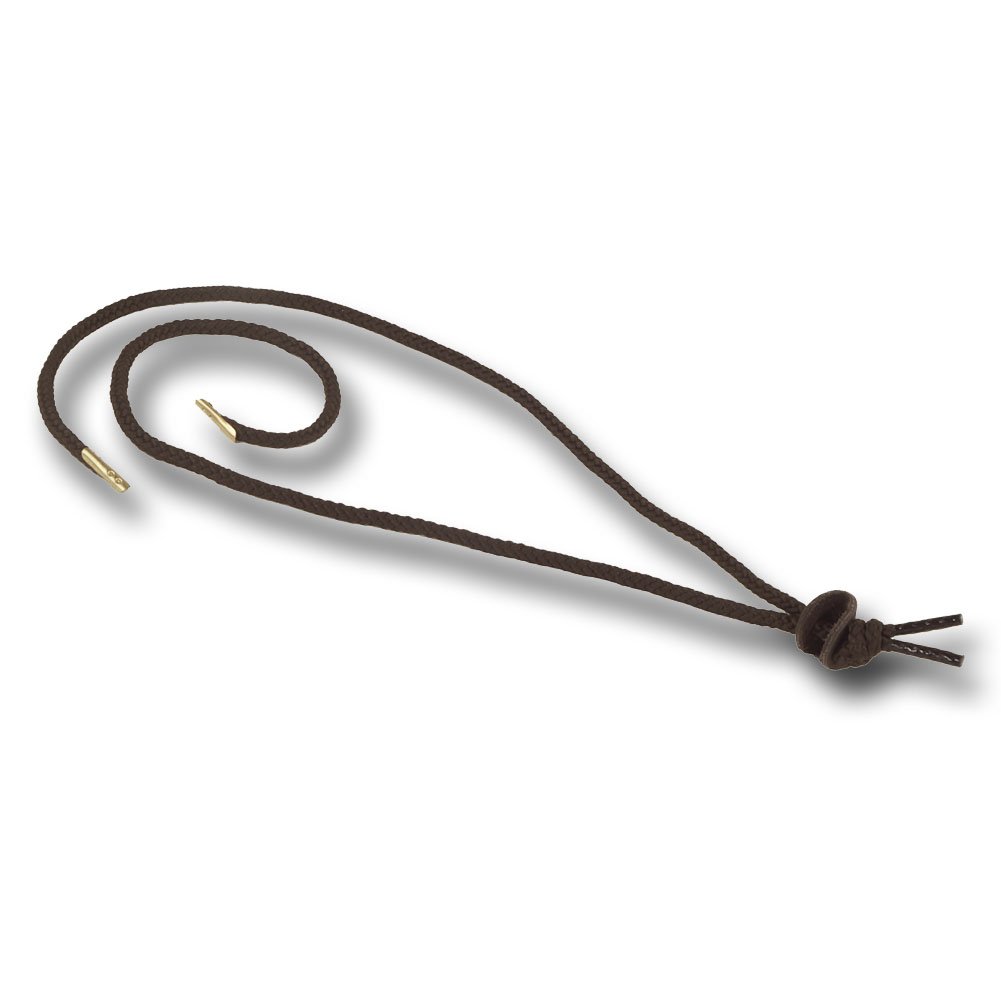
If you’ve ever grabbed for your hat a second too late while leaning out of a ute or walking into a coastal headwind, you already understand the problem. A chin cord — the thin rope or leather lace that loops under your chin to keep the hat on your head — sounds like a small detail. A chin strap does the same job but usually uses broader, more structured material and a buckle. Both terms get used loosely, and that loose language turns out to matter when you’re deciding whether the retention system on a $120 drover hat will actually hold in 40-knot gusts or just look the part. This guide is for buyers who’ve already chosen a style and are now asking the harder question: is my hat’s retention system built for real conditions, or is it decorative? We’ll look at what owner reports reveal about real-world performance, explain why some hats ship without any cord at all, and give you a clear decision framework for what to do next.
Decorative Cord vs. Load-Bearing System: The Distinction That Matters
The outdoor hat world has a dirty secret: a lot of what gets marketed as a chin cord is primarily there to look the part. The giveaway is in the hardware. A genuine load-bearing retention system needs three things working together — an anchor point that won’t tear out of the hat under lateral load, a cord or strap with enough tensile strength to resist sustained wind drag, and an adjustable slider (sometimes called a togue or toggle) that locks at the right tension and stays locked.
When those three elements are engineered together, you get a hat that stays on a cantering horse or a moving boat. When only one or two are present, you get a hat that looks like it has retention but fails the moment you need it.
Heddels’ anatomy-of-a-hat guide notes that crown eyelets — the small ventilation holes punched near the base of the crown — are often where chin cord loops are threaded, but eyelet-anchored cords transfer load to the fabric around the hole rather than to any reinforced structure. Under serious wind load, that’s the first thing to give. Contrast this with a hat that anchors the cord to a sewn-in ring or a riveted grommet through the brim, and you have a fundamentally different engineering proposition.
The practical upshot: when reviewing a hat’s product listing, look past the words “chin cord included” and ask where the cord attaches. If the listing doesn’t say, owner reviews almost always will.
What Owner Reports Actually Reveal
Aggregated owner reviews across the mid-range outback category — roughly the $50–$200 bracket — surface a consistent pattern worth naming explicitly.
The Barmah gap. Multiple Barmah hat owners note that their hat shipped with eyelets punched and ready but no cord threaded through them. The fix, as one reviewer put it, “took about ten seconds” once they sourced a cord — but the buyer who doesn’t know to expect this gap ends up wearing a hat with zero retention in its first field outing. Barmah’s own product documentation confirms that cords are sold as accessories on some models rather than included as standard. If you’re buying a Barmah for serious outdoor use rather than weekend travel, factor this into your purchase and source the cord before you need it.
The slider quality complaint. Among buyers who did purchase the Barmah aftermarket chin cord, a recurring note concerns the leather slider stopper: multiple reviewers describe it as “very thin” and “flimsy” — the kind of part that compresses under use and stops holding tension. This is a legitimate product-quality concern, not a user-error issue. A slider that won’t hold its set position means the cord gradually loosens during wear, which defeats the purpose. If you’re sourcing a replacement slider, look for brass or zinc-alloy toggles over leather-wrapped ones; they hold compression far more reliably over time.
The Outback Trading Company reliability signal. Owners of the Outback Trading Company Kodiak and River Guide consistently cite the chin strap as a reason they trust these hats in active outdoor conditions. The pattern in long-form reviews is notable: buyers don’t just mention the strap as a feature, they specifically credit it with keeping the hat functional in conditions where lesser hats would have blown off. Per aggregated verified purchase reviews, this is one of the clearest examples in the mid-range category of a retention system that reads as load-bearing rather than decorative.
The long-run owner perspective. Dorfman Pacific’s Weathered Outback has a unusually loyal owner base for a mass-market hat. Dorfman owner reviews spanning a decade of use repeatedly mention the chin cord as part of what makes the hat an “all-weather, all-occasion” piece. Two-hat households — where owners replace one worn-out Dorfman with another — mention the retention system as part of the continuity appeal. That’s the kind of endorsement that carries weight.
The leather hat stakes. American Hat Makers’ Hollywood leather hat sits at the premium end of this discussion, and its buyers are explicit about why retention matters: one frequently cited review notes that “you certainly do not want to lose it in the wind” — which sounds obvious but reflects how buyers recalibrate their expectations at the $150+ price point. When the hat itself represents meaningful investment, the chin strap stops being an optional accessory and becomes core infrastructure.
By the Numbers
| Retention type | Anchor method | Typical wind load rating | Slider material | Reliability in owner reviews |
|---|---|---|---|---|
| Eyelet-threaded cord | Fabric around eyelet | Low–moderate | Leather or plastic | Variable |
| Brim-riveted strap | Metal grommet through brim | Moderate–high | Buckle or metal slide | Generally strong |
| Crown-loop cord | Sewn interior loop | Moderate | Leather toggle or brass | Depends on toggle quality |
| Chin guard / full strap | Riveted + sewn anchor | High | Metal buckle | Consistently strong |
Adding Retention to a Hat That Didn’t Ship With It
If your hat arrived with eyelets but no cord — or no eyelets at all — you have options, and they’re more accessible than most buyers assume.
Eyelet-ready hats (like most Barmahs) need only a cord threaded through and a stopper to complete the system. A round braided cord in 2–3mm diameter, available from leather goods suppliers or saddlery retailers, works well. The critical upgrade over the stock Barmah cord is the toggle: source a brass spring-loaded cord lock rather than a flat leather slider. Spring-loaded locks maintain tension under movement rather than relying on friction alone.
Hats without eyelets require more intervention. A leather milliner or a saddler can punch ventilation eyelets and reinforce them with brass grommets in under an hour; this is routine work for anyone who handles hat repair. Alternatively, a sweatband anchor — a thin loop sewn to the interior sweatband — lets you attach a cord inside the crown without altering the hat’s exterior. This is the period-correct approach on many traditional bush hats.
Is the Barmah aftermarket cord compatible with non-Barmah hats? In terms of cord diameter and eyelet fit, yes — the Barmah cord is standard 3mm braided and will thread through any standard hat eyelet. The slider quality caveat above applies regardless of brand. If you’re using it on a premium fur-felt hat, replace the toggle regardless.
Frequently Asked Questions
Can I add a chin cord to a hat that didn’t come with one, and what do I need? Yes, straightforwardly. If your hat has eyelets already punched, you need a 2–3mm braided cord (approximately 60–80cm, depending on your neck length) and a cord lock or toggle. If there are no eyelets, a saddler or milliner can add reinforced grommets for a modest fee. The whole system — cord plus toggle — costs very little and takes one fitting session to get right.
Why does my chin cord slider keep slipping — is this a product defect or a fitting issue? Both, depending on the slider. Flat leather sliders rely entirely on friction between two surfaces; they’re prone to slipping as the leather compresses with use. This is a design limitation, not user error. The fix is to replace the slider with a spring-loaded cord lock or a metal barrel toggle — either applies mechanical clamping force rather than friction alone, and they hold their set position reliably. If your cord itself is too smooth (some waxed cords offer minimal grip), switching to a braided cotton or raw leather lace helps the slider bite.
Should the cord sit under my chin or behind my head when I’m not in heavy wind? The standard carry position when wind retention isn’t needed is behind the head — the cord rests at the nape of the neck, the hat sits normally, and there’s no pressure under the chin during regular wear. The “under chin” position is for active retention: walking into wind, horse work, boat work. Wearing it under your chin all day when you don’t need to causes the cord to loosen progressively as it moves with your jaw.
Which hats in the $50–$150 range ship with chin retention that actually works in strong wind? Based on aggregated owner reporting, the Outback Trading Company Kodiak and River Guide are the most consistently cited examples of functional, load-bearing retention in this price bracket. Dorfman’s Weathered Outback also earns repeated long-run endorsements. Barmah hats in this range have reliable anchor points but require the aftermarket cord purchase — they’re functional once completed, but incomplete out of the box for serious field use.
Is the Barmah aftermarket cord compatible with non-Barmah hats? As noted above: yes for cord diameter, with the caveat that the leather slider should be upgraded regardless of which hat you’re threading it onto. The cord itself is generic enough to work across the outback hat category.
The Decision Rule
Here’s where to land, stated plainly:
- If wind is occasional and conditions are moderate (weekend hikes, tourist travel, mild coastal days): a standard eyelet-and-cord system is sufficient. Make sure the cord is actually there before you go.
- If wind is a real field condition (station work, equestrian use, ocean-adjacent environments, sustained coastal exposure): treat the chin strap as a non-negotiable spec. Buy a hat that ships with a brim-anchored or riveted strap, or invest the small cost and effort to upgrade your existing hat’s slider hardware before you need it.
- If you’re at the premium fur-felt tier ($200+): the hat itself has too much value to risk on a flimsy toggle. Replace stock leather sliders with brass cord locks as a matter of course, regardless of what the hat ships with.
- If your hat has eyelets but no cord: do not wait. The fix takes ten minutes and costs almost nothing. The version of this problem where you lose a $300 Akubra to a harbour gust is entirely preventable.
The retention system is not an afterthought. On a working hat, it’s part of the design — and the difference between a hat that comes back home with you and one you watch tumble across a paddock.