August 25, 2026 • Callum Dray • 11 min reading time • Prices verified June 6, 2026
Oilskin Hat Maintenance: What Five-Year Owners Actually Do to Keep Them Waterproof
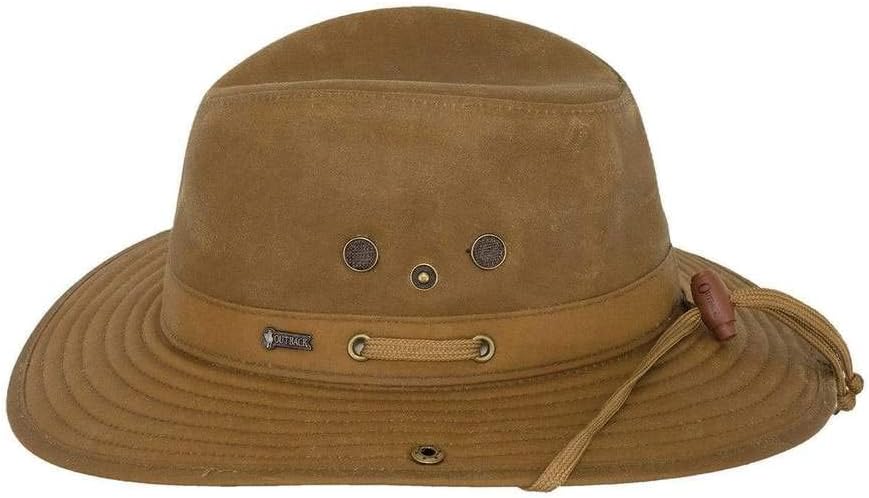
An oilskin hat — that is, a hat made from cotton or poly-cotton canvas that has been impregnated with a wax or oil-based compound to shed water — is one of those rare pieces of outdoor gear that genuinely improves with a owner’s investment of time rather than money. The treatment isn’t permanent. It’s a living finish: the wax migrates, depletes in high-wear zones, and eventually needs refreshing. If you’ve owned one for a year or two and noticed the brim starting to let water bead less enthusiastically than it once did, that’s not a defect — that’s the maintenance cycle announcing itself. This article maps exactly what long-term owners (five years and beyond) actually do to keep their hats performing, synthesised from aggregated owner reviews and published care guidance, so you can build a realistic cadence before the first signs of failure rather than after.
The core message across every long-run review is deceptively simple. One owner of a River Guide-style oilskin — five years of camping, hiking, and daily outdoor work — describes annual re-oiling as the full extent of his maintenance regime, calling the hat “fantastic” and the waterproofing “intact.” Another owner, summarising the philosophy for an entire category of oilskin drover styles, put it plainly: “You take care of the hat and it’ll take care of you.” That’s not a marketing slogan. It’s an accurate description of the maintenance contract you’re entering when you buy waxed cotton headwear.
Understanding What “Waterproof” Actually Means in Oilskin Terms
Before discussing what to do, it’s worth being precise about what you’re maintaining — because “waterproof” in oilskin terms is different from the DWR (durable water repellency) coatings on synthetic rain jackets.
A factory-treated oilskin hat works by filling the interstices (the tiny gaps between woven cotton fibres) with a wax or paraffin-based compound. Water hitting the surface can’t penetrate because the spaces it would normally travel through are already occupied. When the compound depletes — through UV exposure, abrasion, heat, and flex — those gaps reopen and water starts to wick through. You’re not “repairing” anything when you reproof; you’re literally re-filling those gaps.
This distinction matters for two reasons. First, it tells you where depletion happens fastest: the brim edge (constant flex), the crown crease (repeated pressure), and the hatband contact zone (sweat and friction). Those are the spots to inspect first and treat most thoroughly. Second, it tells you that reproofing is cumulative — each application adds a layer of protection, so a well-maintained five-year hat can actually shed water more effectively than a neglected two-year hat.
Heddels’ breakdown of waxed cotton and oilskin fabrics notes that the original paraffin-and-oil treatments used on drover hats were designed for exactly this kind of periodic renewal, which is why the category has genuine 20-year service records in owner communities — something you simply don’t see with synthetic-coated headwear.
The Annual Cadence: What Long-Term Owners Actually Do
By the numbers — a realistic maintenance timeline:
- Year 1: No reproofing needed if hat is stored correctly and not used daily in rain
- Years 2–5: Annual reproofing, typically pre-season (before wet season or winter)
- Years 5+: Twice-yearly if the hat is in heavy rotation; once-yearly for occasional use
- Red flag: visible dry patches or water no longer beading on the crown after a light shower
The River Guide owner’s five-year, annual-reproof cadence is consistent with what Country Life’s waxed cotton guide describes as the standard cycle for waxed outdoor garments under moderate-to-heavy use. The trigger isn’t the calendar — it’s the bead test. Run the hat under a tap or hold it in light rain. If water sheets off cleanly, you’re fine. If it darkens the fabric and takes time to dry rather than beading and rolling, it’s time.
Step-by-step reproof process as reported by long-term owners:
-
Clean first. Brush off any dried mud with a soft bristle brush. Spot-clean with a damp cloth — no detergent, no soaking. The goal is to remove surface contamination that would seal under the wax and cause uneven absorption.
-
Warm the hat gently. Owners consistently report that a slightly warm hat absorbs reproofing compound far more evenly than a cold one. A few minutes in indirect sunlight or near (not directly beside) a low heat source is enough. Country Life’s guide recommends the same technique for waxed jackets.
-
Apply reproofing compound by hand. Use a lint-free cloth or your fingertips to work a small amount of compound into the fabric using circular motions. Build up coverage on the high-wear zones — brim edge, crown crease, and hatband channel — before moving to the body panels. A little goes a long way; excess that isn’t absorbed just sits on the surface and smears.
-
Allow to cure at ambient temperature. Most compound manufacturers specify 24–48 hours before re-use. Owners who’ve tried to speed this up with direct heat sources report patchy results — the wax migrates unevenly when the substrate is too hot.
-
Buff lightly. A soft cloth pass removes any surface bloom (white haze) and evens out the finish.
Reproofing Product Choices: What’s Worth Using
Outside Online’s waxed canvas care guide is clear that the category is broadly compatible with either dedicated wax-based reproofing bars (such as those made by Barbour, Fjällräven, or the Australian-made options sold alongside drover hats) or general-purpose beeswax preparations. The main variables to navigate are:
- Wax-based bars vs. tin-based compounds. Bars are easier to apply to brims and shaped edges; tin compounds (which are paste-like) absorb more evenly into the body panels. Many long-run owners use both — bar on the brim, paste on the crown.
- Paraffin-heavy vs. natural wax. Paraffin holds longer but can be stiffer in cold conditions. Natural beeswax blends stay more supple but need reproofing slightly more often. If your use is predominantly cold-weather, the flexibility trade-off matters.
- Compatibility. Owners of branded oilskin hats (including Australian drover-style products) generally report that proprietary reproofing products from the same maker perform best, because the original treatment compound and the replenishment compound are chemically matched. Using a mismatched product won’t ruin the hat, but owners note it can alter the finish’s colour slightly and sometimes creates a slightly tacky feel that takes longer to cure.
What owners consistently advise against: any spray-on DWR product marketed for synthetic jackets. These sit on top of the wax surface rather than penetrating the cotton fibres, and they create a temporary waterproofing layer that depletes within a few uses, leaving the underlying oilskin treatment no better maintained than before.
Brim Stiffness, Shaping, and the Cold-Weather Problem
Grizzly-style oilskin owners — those with flexible, shapeable brims — describe the ability to reshape the brim as a feature rather than a bug. Cold weather makes the wax compound temporarily rigid, which can cause a brim to hold an awkward set if stored incorrectly. The fix is simple but worth knowing: gentle warmth (a few minutes in a warm room, not direct heat) returns the wax to its workable temperature range, at which point the brim can be re-curved by hand and held until it cools.
The Kodiak-style rigid brim is a different animal. Owners are consistent that these hats cannot be packed or compressed — the structural integrity of the brim relies on it holding its shape, and forcing it flat causes creasing that won’t fully recover even after re-warming. If packability is part of your use case, this is a genuine trade-off to settle before reproofing rather than discovering mid-trip.
A note on sizing before any reproofing cycle: one owner of a Grizzly-style oilskin reported that an XL “wobbles when I walk” despite following the size chart. Reproofing doesn’t change the hat’s internal circumference, so if fit is marginal before treatment, it will be marginal after. Fit issues are worth resolving — with a sweatband insert or a return — before investing maintenance effort into a hat that doesn’t sit correctly.
What You Should Never Do to an Oilskin Hat
The machine washing question comes up repeatedly in owner communities. The answer from every long-run owner and published source is the same: no machine washing, ever. A washing machine exposes the hat to water temperatures, detergent chemistry, and mechanical agitation that strips the wax treatment from the fabric completely. You’re not just removing surface dirt — you’re returning the cotton to its untreated state. Reproofing after machine washing is possible in theory, but owners report the cotton’s structure changes after full saturation and machine agitation, and the treatment never absorbs quite as evenly again.
Dry cleaning is equally off the table. The solvents used in dry cleaning dissolve wax compounds entirely.
The correct cleaning method for a dirty oilskin hat is a cold-water wipe with a soft cloth, dry brushing for mud and dust, and spot treatment with a damp cloth for stains. If the hat has a serious odour, owners report that airing it thoroughly in indirect sunlight — not direct UV, which degrades the wax — is more effective than any washing attempt.
End-of-Life: What It Looks Like and When to Accept It
An oilskin hat doesn’t fail dramatically — it declines gradually. The progression that long-run owners describe runs roughly as follows: first, localised dry patches that reproof normally; then, areas where the cotton itself has begun to abrade and thin (typically the brim edge and crown crease); then, visible fraying or delamination at the brim stitching; and finally, structural failure at the crown.
At the dry-patch stage, you’re still well within the service life — reproof and continue. At the abrasion stage, reproofing can extend service life but won’t fully restore performance; water may bead on the body but wick through thinned zones regardless of treatment depth. At the fraying or delamination stage, the hat has reached end-of-life. No reproofing protocol will compensate for compromised fabric or failed stitching.
Australian Geographic’s coverage of the drover hat’s working heritage notes that hats in genuine station use — worn daily in high-UV, high-abrasion conditions — typically run five to eight years before structural decline. Hats used seasonally or rotationally can reach fifteen to twenty years with consistent maintenance. The variance is almost entirely explained by wear frequency and maintenance discipline, not initial price point.
The rule that emerges from five-year owner experience across every oilskin style is this: if you wouldn’t skip an annual vehicle service, don’t skip an annual reproof. The hat is repairable at the maintenance stage and irreparable at the structural stage. The window between them is wide — wide enough that any attentive owner should catch it — but it requires showing up once a year with a tin of compound and thirty minutes of patience.
Frequently Asked Questions
How often should you re-oil an oilskin outback hat? Annual reproofing is the consensus cadence for moderate-to-heavy use, which aligns with the five-year owner reports in the River Guide category. For hats used occasionally or stored carefully between seasons, once every two years may be sufficient. The reliable trigger is the bead test: if water no longer beads and rolls off the crown, it’s time regardless of the calendar.
What product should you use to reproof a cotton oilskin hat at home? A dedicated wax-based reproofing compound — either a bar or paste — matched to the hat’s original treatment where possible. Natural beeswax blends are a good general-purpose option. Avoid synthetic DWR sprays designed for nylon or polyester — they sit on the surface rather than penetrating the cotton and deliver only temporary, shallow waterproofing.
Can you machine wash an oilskin hat or will it strip the treatment? Machine washing strips the wax treatment entirely and should be avoided. Cold-water spot cleaning with a soft cloth is the correct approach for routine cleaning. If the hat is heavily soiled, a cold-water sponge wipe followed by full air-drying (indirect sunlight, not direct UV) is the maximum intervention before reproofing.
How do you reshape an oilskin brim that has gone stiff in cold weather? Bring the hat to room temperature gradually — near (not directly beside) a low heat source or in a warm indoor space — until the wax softens enough for the brim to respond to hand pressure. Re-curve to the desired shape and hold until the hat cools and the wax re-sets. This works reliably for flexible-brim styles; rigid-brim oilskins should not be forced into shapes they weren’t designed to hold.
When does an oilskin hat reach end-of-life and what does that look like? The decline sequence runs: dry patches (still maintainable) → fabric abrasion and thinning at the brim edge and crown crease (extended by reproofing but not reversed) → fraying or delamination at the stitching (end-of-life). A hat showing structural fabric thinning or failed stitching has moved beyond what any reproofing protocol can address. Based on owner reports, this point typically arrives between five and eight years under heavy daily use, or fifteen to twenty years under seasonal or rotational use with consistent maintenance.